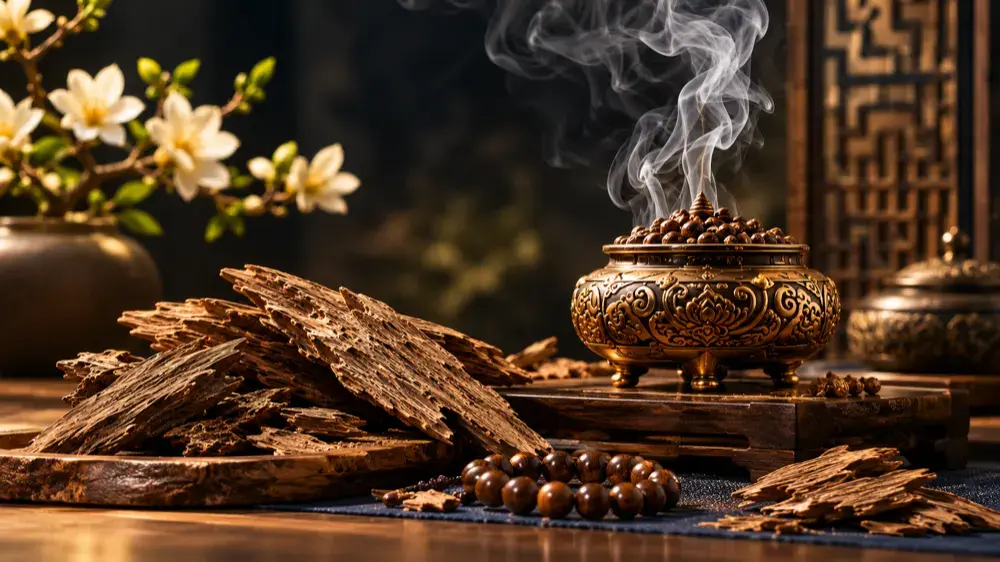
Agarwood, also known as oud, is one of the most precious natural treasures in the world. In Vietnam it is not only a fragrant wood, but a symbol of culture, spirituality and refined living that reaches back centuries.
The Origin of Agarwood
Agarwood forms when an Aquilaria tree is infected by a specific mould. In response, the tree floods the wound with a dark, aromatic resin. That slow defence — often taking decades — is what produces the distinctive fragrance and the exceptional value of the wood.
Because the process cannot be forced, genuine agarwood remains rare. A single tree may yield only a few hundred grams of high-grade resinous wood, and the best pieces sink in water rather than float.
Cultural Significance in Vietnam
For generations, agarwood has been part of Vietnamese spiritual and cultural life — from incense in temples, to traditional medicine, to elegant gifts exchanged between families at important moments.
Agarwood is more than a fragrance — it is a bridge between nature, culture and the soul.
How to Appreciate Agarwood
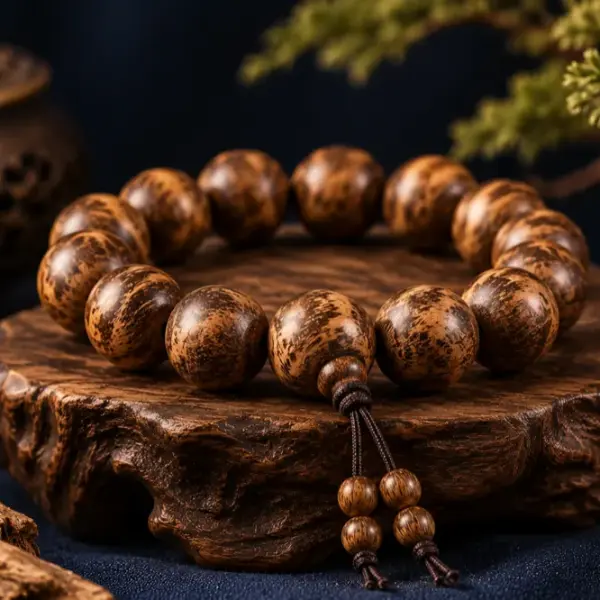
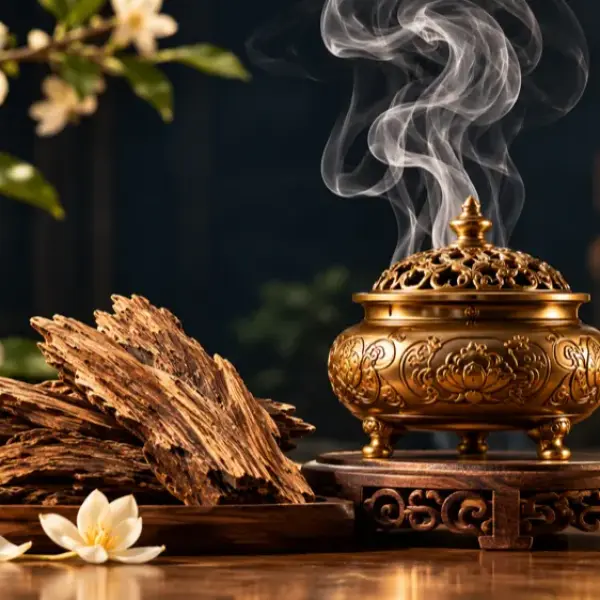
Whether used in incense, jewellery or home décor, agarwood brings calm and a sense of occasion to everyday life. Here are three ways to enjoy it:
Judging Quality
Three things tell you most of what you need to know about a piece of agarwood:
- Density — higher resin content means the wood sinks rather than floats.
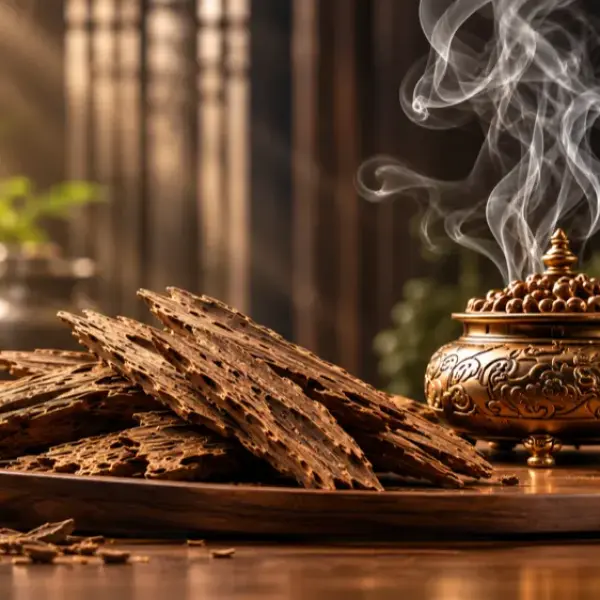
- Grain — dark, irregular veining running through lighter wood is a good sign.
- Scent — genuine agarwood is warm and layered, never sharp or perfumed.
Discover the timeless beauty of agarwood and experience the harmony it brings to your life with HUSH HERITAGE.